
How acupuncture can support women’s pelvic health and hormonal balance
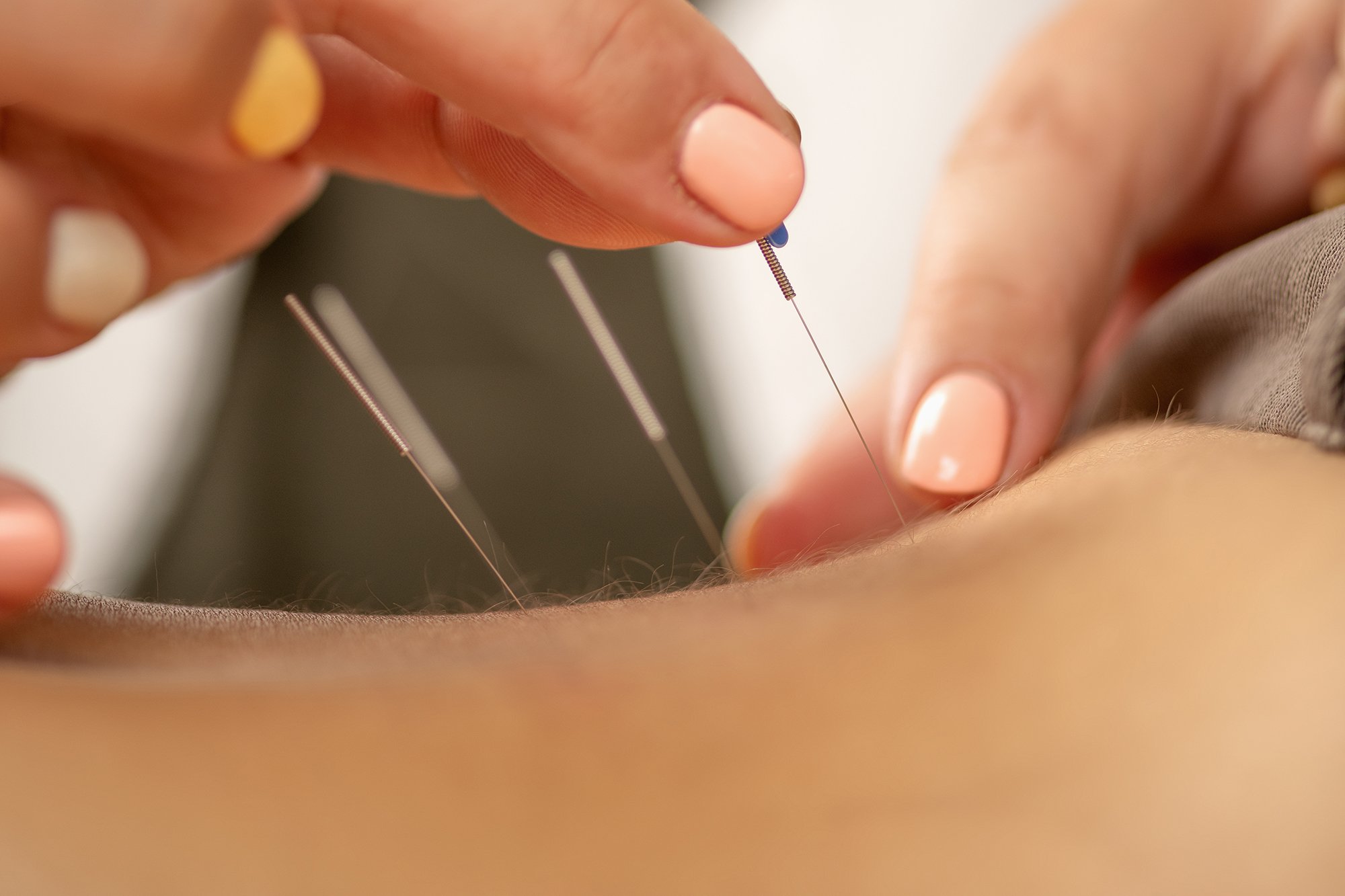
Acupuncture reduces pain perception, improves movement and enhances recovery after injury
Acupuncture has been used for centuries to treat pain and promote recovery, but modern research now explains its effects through clear physiological mechanisms. Within physiotherapy, acupuncture is applied as an evidence-based treatment to relieve pain, reduce inflammation and support the body’s natural healing processes. At Ragnar Therapies, acupuncture is integrated into physiotherapy sessions to complement manual therapy and exercise, offering a comprehensive approach to recovery and wellbeing.
The science behind acupuncture
Acupuncture involves inserting fine, sterile needles into specific points on the body to stimulate sensory nerves under the skin and in muscle tissue. This stimulation triggers a series of physiological responses that influence both local and central systems.
Clinical studies show that acupuncture can:
Promote local blood flow and tissue healing
Release endorphins and other natural pain-modulating chemicals
Influence the autonomic nervous system to encourage relaxation
Reduce inflammation by regulating neurochemical activity
These effects combine to reduce pain perception, improve movement and enhance recovery after injury or during chronic pain management.
Acupuncture within physiotherapy practice
In physiotherapy, acupuncture is not used in isolation but as part of an integrated treatment plan. The Chartered Society of Physiotherapy and the Acupuncture Association of Chartered Physiotherapists (AACP) recognise it as an evidence-based adjunct that complements exercise and manual therapy.
The Acupuncture Association of Chartered Physiotherapists (AACP) is one of the largest professional bodies for acupuncture regulation in the UK. Membership is granted only after 300 hours of specialist assessed training and maintained through regular accredited professional development studies and courses, ensuring regulated, and effective practice.
At Ragnar Therapies, acupuncture may be used to:
Relieve musculoskeletal pain such as back, neck or shoulder tension
Assist with recovery from soft-tissue injury
Support chronic pain conditions such as osteoarthritis
Ease stress-related muscle tightness and improve sleep
Treatment is always preceded by a full assessment to ensure suitability and to identify where needling will have the greatest therapeutic effect.
“In physiotherapy, acupuncture is not used in isolation but as part of an integrated treatment plan.”
Physiological mechanisms of pain relief
Research identifies five main mechanisms that explain how acupuncture reduces pain:
Local trauma and healing response – Needling creates micro-stimulation in soft tissue, encouraging blood flow and the release of healing factors such as nitric oxide and nerve growth factor
Local analgesia – The process triggers adenosine release, which temporarily inhibits pain-transmitting nerve fibres
Myofascial effects – By targeting tight bands or trigger points within muscle, acupuncture helps release tension and improve range of motion
Segmental analgesia – Nerve pathways in the spinal cord are modulated to reduce pain signals from the same region
Central and systemic effects – Higher-level pain control centres in the brain release endorphins and serotonin, creating longer-lasting relief
These mechanisms have been well documented in clinical and neurophysiological research, providing a clear foundation for acupuncture’s inclusion within modern physiotherapy.
Conditions that may benefit from acupuncture
Evidence supports the use of acupuncture in a wide range of musculoskeletal and systemic conditions, including:
Neck and back pain
Shoulder, elbow and knee pain
Headache and migraine
Chronic tension or fibromyalgia
Post-operative or post-injury recovery
Pelvic and menopausal symptoms (through targeted women’s health acupuncture)
In physiotherapy, acupuncture is typically used alongside exercise and education rather than as a standalone therapy, ensuring outcomes are both measurable and sustainable.
“Evidence supports the use of acupuncture in a wide range of musculoskeletal and systemic conditions.”
Safety and professional standards
When delivered by a qualified practitioner such as a chartered physiotherapist, acupuncture is a safe and well-regulated treatment. All needles are single-use and sterile, and treatment is performed within strict professional guidelines set by the Health & Care Professions Council (HCPC) and AACP.
Minor side effects such as mild bruising or temporary drowsiness are possible but uncommon. Most patients experience a sense of calm or lightness following treatment, reflecting the body’s shift into a restorative state.
Combining acupuncture with other treatments
Acupuncture is most effective when used as part of a broader rehabilitation plan. It can be integrated with:
Manual therapy to relieve muscle tightness and restore joint mobility
Exercise therapy to strengthen tissue and support postural control
Relaxation and breathing techniques drawn from yoga and Pilates
This combination addresses both the symptoms and the underlying causes of pain, encouraging whole-body recovery and improved long-term function.
Individualised treatment approach
Every acupuncture plan is unique. At Ragnar Therapies, treatment is guided by clinical reasoning – considering the type, duration and source of pain, along with the patient’s overall health. Sessions typically last around one hour, including assessment, needling and recovery time.
Regular review ensures the approach remains responsive to change, with adjustments made to point selection, needling depth and treatment frequency based on progress.
“Most patients experience a sense of calm or lightness following treatment, reflecting the body’s shift into a restorative state.”
The wider impact on wellbeing
While acupuncture’s main goal in physiotherapy is pain management, many patients report broader benefits such as improved sleep, reduced anxiety and enhanced sense of wellbeing. This aligns with the evidence that acupuncture influences both the sympathetic (“fight or flight”) and parasympathetic (“rest and digest”) nervous systems, helping the body regulate stress responses.
By restoring balance in both physical and nervous systems, acupuncture can support healing not only in the site of pain but across the whole body.
Summary
Acupuncture bridges traditional knowledge and modern science, offering measurable benefits for pain relief and recovery. Within physiotherapy, it functions as a precise, evidence-based intervention that enhances healing, reduces inflammation and supports the body’s natural balance.
At Ragnar Therapies, acupuncture is used thoughtfully – as part of an integrated plan that respects both clinical research and individual experience. Through this approach, patients are supported not only to recover from pain but to move forward with confidence in their long-term wellbeing.