
Move early, recover well: why timely rehab matters
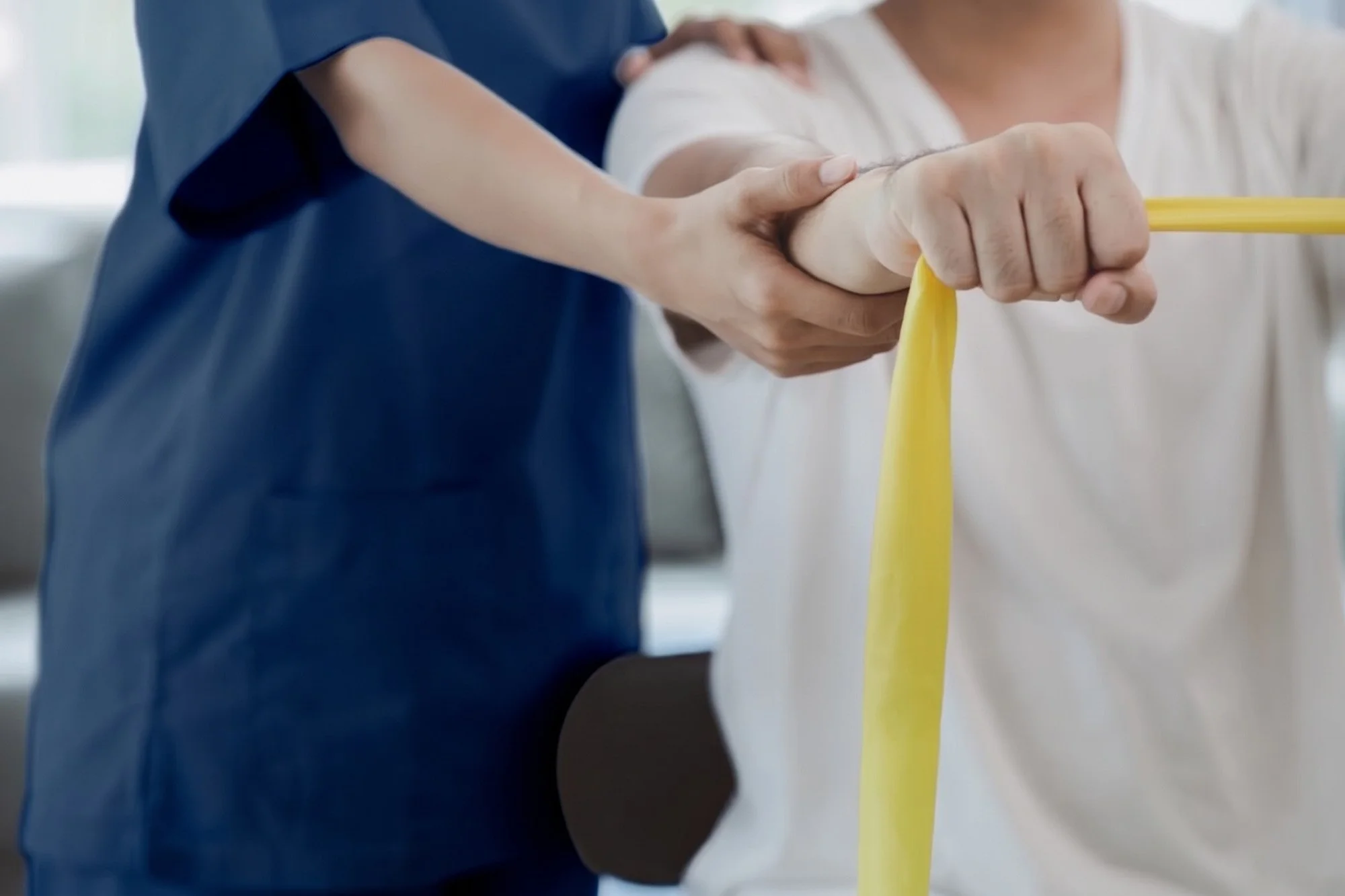
Gentle, guided movement early on helps you recover stronger
Rehabilitation Awareness Week, the Chartered Society of Physiotherapy's annual campaign, has just shone a light on the difference good rehab makes to people's lives. It's a good moment to answer one of the questions Kimberley hears most often in clinic: "Should I rest it, or should I keep moving?"
The short answer is both – but not for as long as most people think.
Rest has its place, but only briefly
When you first injure yourself, or a long-standing problem flares up, a short period of protection makes sense. Inflammation is part of the body's repair process, and in the first few days it's sensible not to aggravate things.
After that, too much rest starts to work against you. The sooner you begin the right kind of movement, safely and with guidance, the better your body tends to heal.
Movement helps tissue heal stronger
As damaged muscle, tendon or ligament repairs, the body lays down new collagen fibres. Gentle, controlled loading encourages those fibres to line up in an organised way, producing tissue that's stronger and more flexible. Without it, repair tends to be more haphazard, leaving scar tissue that's stiffer and more prone to further injury.
Movement also helps circulation, bringing fresh blood to the area and helping to ease swelling.
Your body deconditions faster than you'd think
The body works on a 'use it or lose it' basis. Muscles begin to lose strength within days of not being used, and joints stiffen when they're kept still.
Injury also affects proprioception – your body's unconscious sense of where it is in space. That's one reason people who sprain an ankle often go on to sprain it again. Early balance and coordination work helps retrain that sense and reduce the risk of the injury coming back.
Breaking the cycle of pain and avoidance
For people living with persistent back pain, neck pain or recurring flare-ups, the nervous system can become over-protective, treating ordinary movement as a threat. It's completely natural to avoid anything that hurts, but avoiding movement leads to weakness and stiffness, which can make the next flare-up worse.
Gentle, gradual movement helps show the nervous system that it's safe to move again. For some people, acupuncture can be a useful part of this, easing pain enough to make that first step feel possible.
What 'early' actually means
Starting rehab early doesn't mean pushing through pain or rushing back to the gym. It means finding the right amount of movement for where your body is today – enough to stimulate healing without causing further damage – and building from there.
That's why every treatment at Ragnar Therapies begins with a thorough assessment. Kimberley draws on more than 25 years of clinical physiotherapy experience to understand what's going on, then builds a plan around you and adjusts it as you progress.
When to see a doctor first
Some symptoms need medical attention before physiotherapy. Contact your GP or NHS 111, or go to A&E, if you have:
severe pain after a fall or impact, or you can't put weight on a limb
a hot, red, swollen joint, especially if you feel feverish or unwell
pain, swelling and warmth in your calf
numbness, pins and needles or weakness that's getting worse
back pain with numbness around your bottom or genitals, or changes in bladder or bowel control – this needs urgent assessment at A&E
Book an assessment
Whether you're recovering from an injury or an operation, or managing a long-standing problem that keeps flaring up, the earlier you get the right advice, the better. Ragnar Therapies is based at Croft House in Swalwell and sees clients from across Gateshead and Newcastle. Book your assessment today.