
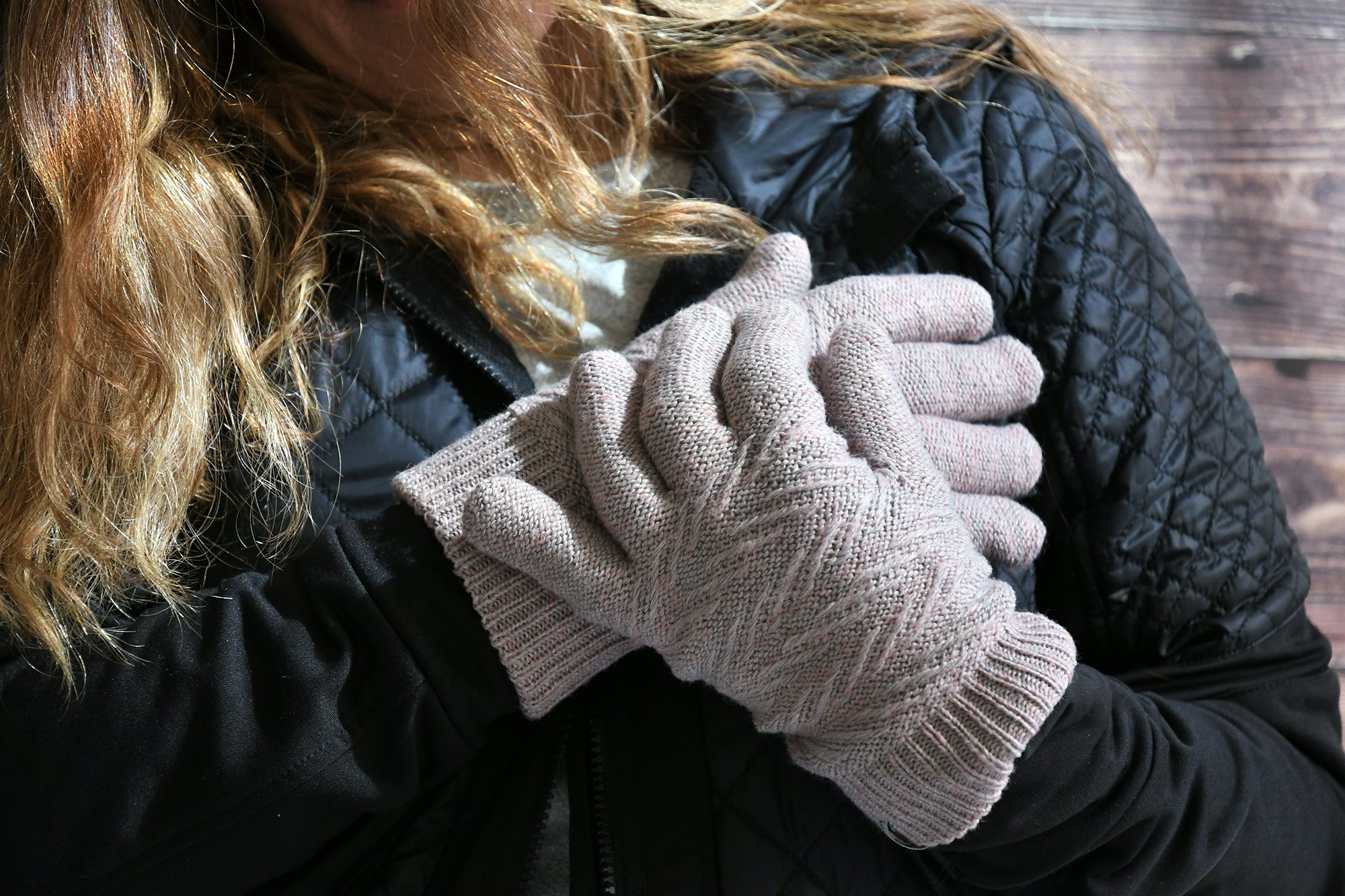
Warm gloves can help reduce stiffness and swelling in arthritic hands
If your knees, hands or back feel stiffer as the temperature drops, you're not imagining it. Many people with arthritis notice their joints are more painful in winter, and some find the colder months bring more frequent flare-ups.
The good news is there's a lot you can do. With the right approach to movement, warmth and joint care, you can manage your symptoms and stay active until spring.
Why winter can make joints worse
Researchers are still working out exactly why cold weather affects joints, but there are a few likely explanations:
Changes in air pressure: When barometric pressure drops, the tissues around a joint may expand slightly, putting extra pressure on sensitive nerves.
Thicker joint fluid: Synovial fluid is the joint's natural lubricant. In the cold, it may thicken, which could explain that stiff, creaky feeling first thing in the morning.
Moving less: Shorter days and cold, wet weather make it tempting to stay indoors and sit still. But joints need movement to stay healthy, and less activity often means more stiffness and aching.
Keep warm where it matters
Layer up: Thermal layers help trap heat, so focus on the areas that tend to give you trouble, such as your knees and lower back.
Cover your hands: Gloves keep arthritic fingers warm and may help reduce swelling and stiffness.
Adapt how you move
Warm up for longer: Cold muscles and joints need more time to loosen up, so try doubling your usual warm-up before any exercise.
Bring your exercise indoors: When it's too icy or wet to walk outside, try an exercise bike, swimming in a heated pool or chair-based exercise.
Use heat to your advantage
Ease into the day: A warm shower or bath for 10–15 minutes in the morning can help loosen stiff joints.
Target the sore spots: A microwaveable heat pack on an aching joint for up to 20 minutes can help ease pain and boost circulation. Wrap it in a cloth, check your skin regularly, and avoid using heat on areas with reduced feeling.
How physiotherapy can help
If your pain and stiffness are getting in the way of daily life, a physiotherapy assessment can help you get back on track. Kimberley draws on more than 25 years of clinical experience to understand what's going on and build a plan around you. That might include:
A tailored exercise programme to keep your joints moving without overloading them, including exercises you can do at home
Hands-on treatment to gently improve joint mobility and ease tight, guarded muscles
Pain management advice and treatment, which may include acupuncture to help ease pain and stiffness
Advice on supports or braces for extra stability on slippery winter pavements
“If your pain and stiffness are getting in the way of daily life, a physiotherapy assessment can help you get back on track.”
When to see a doctor
Contact your GP or NHS 111 if a joint becomes hot, red and swollen, especially if you also feel feverish or unwell. You should also seek medical advice if your joint pain is severe, getting steadily worse or has come on without any clear reason.
Book a winter assessment
Don't let the cold months put your life on hold. Book an assessment with Kimberley at Croft House in Swalwell, and together we can build a personalised plan to keep you moving comfortably through the winter. Ragnar Therapies sees clients from across Gateshead, Newcastle and the wider North East.