
More than a sheet of exercises: Why your rehabilitation plan is a clinical prescription
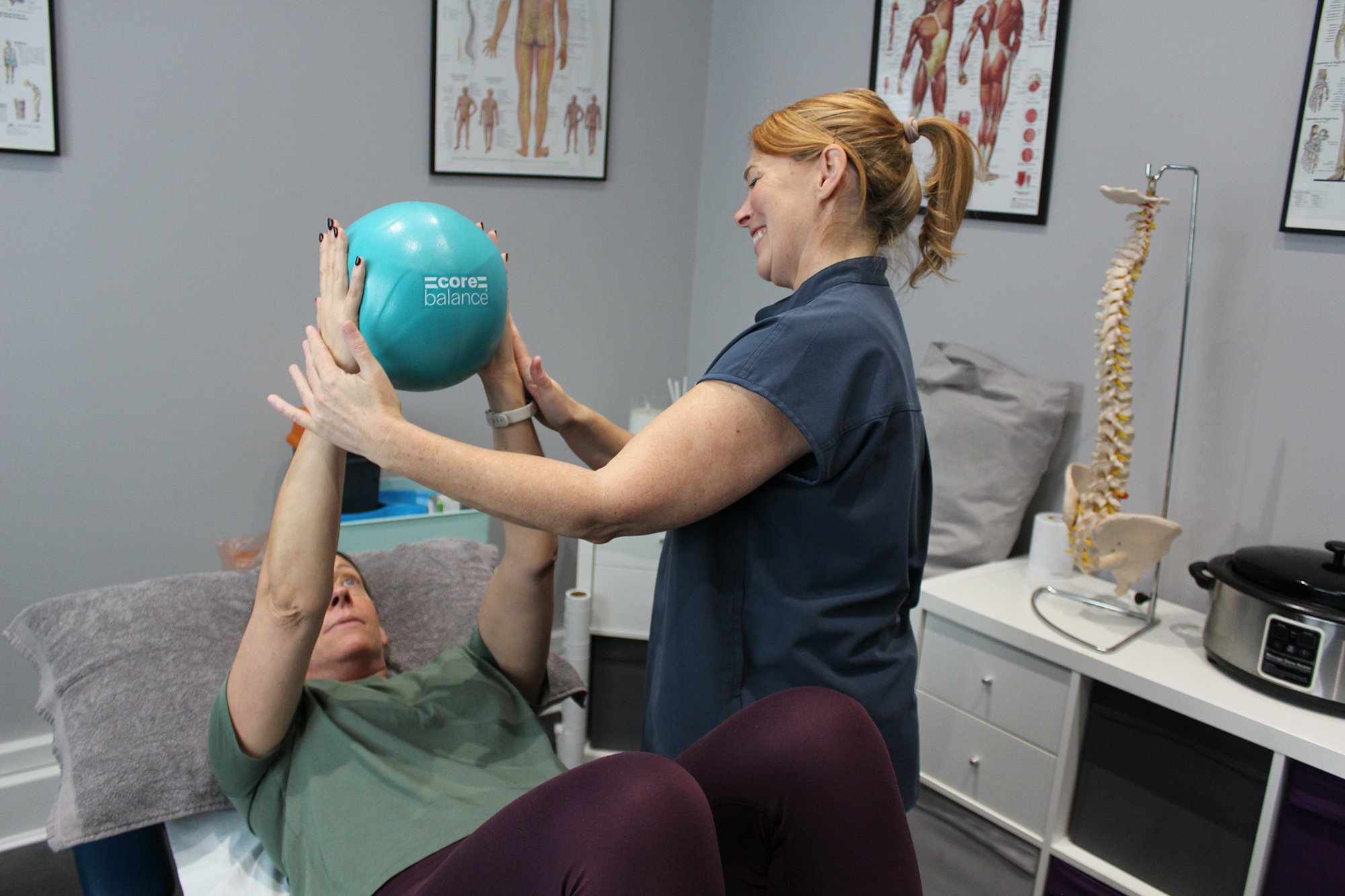
Hands-on guidance ensures every exercise is done safely, correctly and with purpose
Patients often find prescribed exercises a chore, unrealistic to complete, overwhelming or struggle to find them important enough to fit into their lives. However, set exercises are more than that, they are a therapeutic rehabilitation prescription. Think of them as a tailored clinical plan that defines a patient's current abilities and healing journey, medical needs, goals, and the specific interventions required for recovery.
Exercise and rehabilitation prescription and advice is one of the cornerstones of therapy. It's evidence based clinical practice has been researched, rigorously scientifically studied, and applied repeatedly showing outstanding results for benefits all round. That's why physiotherapists encourage and prescribe it so much.
Key benefits of therapeutic exercise and rehabilitation plans
Optimal tissue healing: Guides the body through progressive loading, stimulating blood flow and collagen synthesis to heal muscles, tendons, ligaments and cartilage correctly.
Restored function & mobility: Rebuilds muscle strength and power, joint range of motion, and balance, allowing patients to safely return to daily activities, work and sports.
Pain management: Retrains the nervous system and tissues to process movement correctly, speed recovery and often reducing the reliance on long-term pain medication.
Neurological rewiring: Drives neuroplasticity and motor control, which is vital for patients recovering from neurological insult or health impacts.
Supporting health through:
Continuity of care: Supporting steps from acute hospital care or GP secondary care.
Individualised goal setting: Sets clear, measurable, and achievable milestones tailored to the patient's personal life, occupational, activity and fitness needs or sporting performance.
Patient education: Builds patient autonomy and empowers them with the knowledge to manage their condition, safely perform daily routines, prevent future setbacks and progress to the level of fitness required for their lifestyle remaining independent and in charge of their own well-being.
How Ragnar Therapies personalises your rehabilitation plan
Here at Ragnar Therapies we agree and formulate the right exercises for everyone's different individual needs.
We take into account understanding, motivation, needs, time frames and goals. Rather than a one size fits all per problem exercise sheet prescribing 20 different exercises all at once, we build in the most appropriate plan, focusing on just a few exercises at a time, building understanding, confidence and control, increasing adherence, and changing (regressing or progressing) when required.
We endeavour to practice each one or adapt to need and ability, explaining its importance for functionality, progress, recovery and maintenance.
Get an exercise plan that actually works for your life – contact Ragnar Therapies today to get started.